The Roundhill Memory ETF (DRAM) remains in a local bear market after falling more than 30% from its year-to-date high. It dropped to $55.40 from the year-to-date high of $81.35, with key news from Samsung and SK Hynix pointing to a rebound.
SK Hynix and Samsung are planning massive shareholder returns
Recent news is that Samsung Electronics and SK Hynix are planning to give their shareholders substantiual sums of money in the coming months. SK Hynix, the second-biggest South Korean company, plans to return 40 trillion won ($29 billion) to its shareholders through a combination of stock buybacks and treasury share cancellation. The company aims that these returns will help to stabilize its stock and improve its valuation.
This report comes after the company published strong financial results, which showed that its revenue and profits surged in the last quarter. It is benefiting from the substantial demand of its high-bandwidth memory (HBM) solutions because of the AI boom.
And today, Bloomberg said that Samsung Electronics was planning to return $72 billion to its shareholders. The returns will be in the form of dividends and share buybacks, which it hopes will boost its stock.
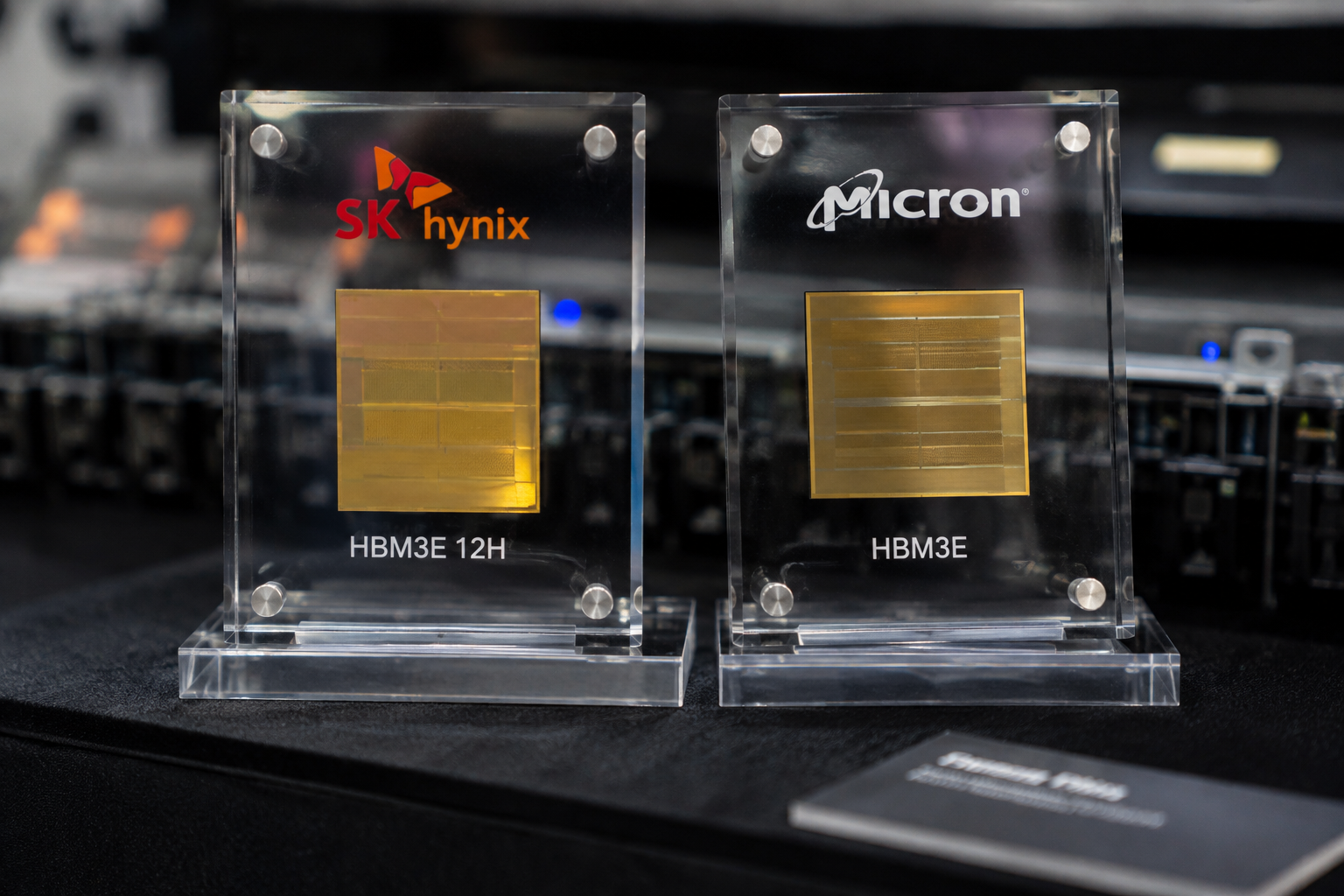
These developments are important for the DRAM ETF for two main reasons. Samsung and SK Hynix are two of the biggest constituents, accounting for over 40% of its portfolio. The returns may also put more pressure on other companies in the fund to boost their returns this year.
Micron and other top DRAM names may boost returns
Micron, which has secured $22 billion in customer commitments through multi-year agreements, may also plan to boost its returns. In its recent earnings report, the company said that its operating cash flow jumped to $25.3 billion in the third quarter from $11.9 billion in the previous quarter.
It ended the quarter with over $30 billion in cash and marketable securities. With its stock trading at a bargain, there is a likelihood that it will announce a bigger repurchase program in the next earnings report.
The same is true with SanDisk, another top company in the DRAM, reported over $5 billion in free cash flow in the last earnings report, more than double what it reported in the same quarter last year. Other companies like Kioxia, Western Digital, and Seagate may do the same.
Share buybacks are normally bullish because they reduce the number of shares in circulation, boosting the earnings-per-share over time. They are more effective when the companies are trading at discount valuations, which is happening in the DRAM industry.
SK Hynix trades at a trailing price-to-earnings ratio of less than 8. Similarly, Micron has a multiple of 12, while SanDisk has a multiple of 7.57.
DRAM ETF technicals point to a rebound
DRAM chart | Source: TradingView
The four-hour chart shows that the DRAM ETF has rebounded in the past few weeks. A closer look shows that it is slowly forming an inverted head-and-shoulders pattern, a popular bullish reversal sign in technical analysis. It remains between the 50% and 38.2% Fibonacci Retracement level.
The fund also sits above the 50-period Exponential Moving Average (EMA). Therefore, there is a likelihood that it will bounce back after the latest buybacks announcements by its top constituent companies like Samsung and SK Hynix.
The post DRAM ETF receives a $101 billion catalyst from Samsung, SK Hynix appeared first on Invezz