US consumer inflation accelerated to 3.8% in April, marking its highest annual increase since May, 2023 as rising energy prices linked to tensions in the Middle East pushed up the cost of gasoline, food and household essentials.
The latest reading from the US Bureau of Labor Statistics came in above economists’ expectations of a 3.7% annual increase and higher than the 3.3% rise recorded in March.
On a monthly basis, the Consumer Price Index for All Urban Consumers increased 0.6% in April after rising 0.9% in March.
The data reinforced concerns that higher oil prices and supply disruptions are beginning to spread across the broader economy, potentially slowing consumer spending and complicating expectations for Federal Reserve interest-rate cuts later this year.
Energy prices lead gains
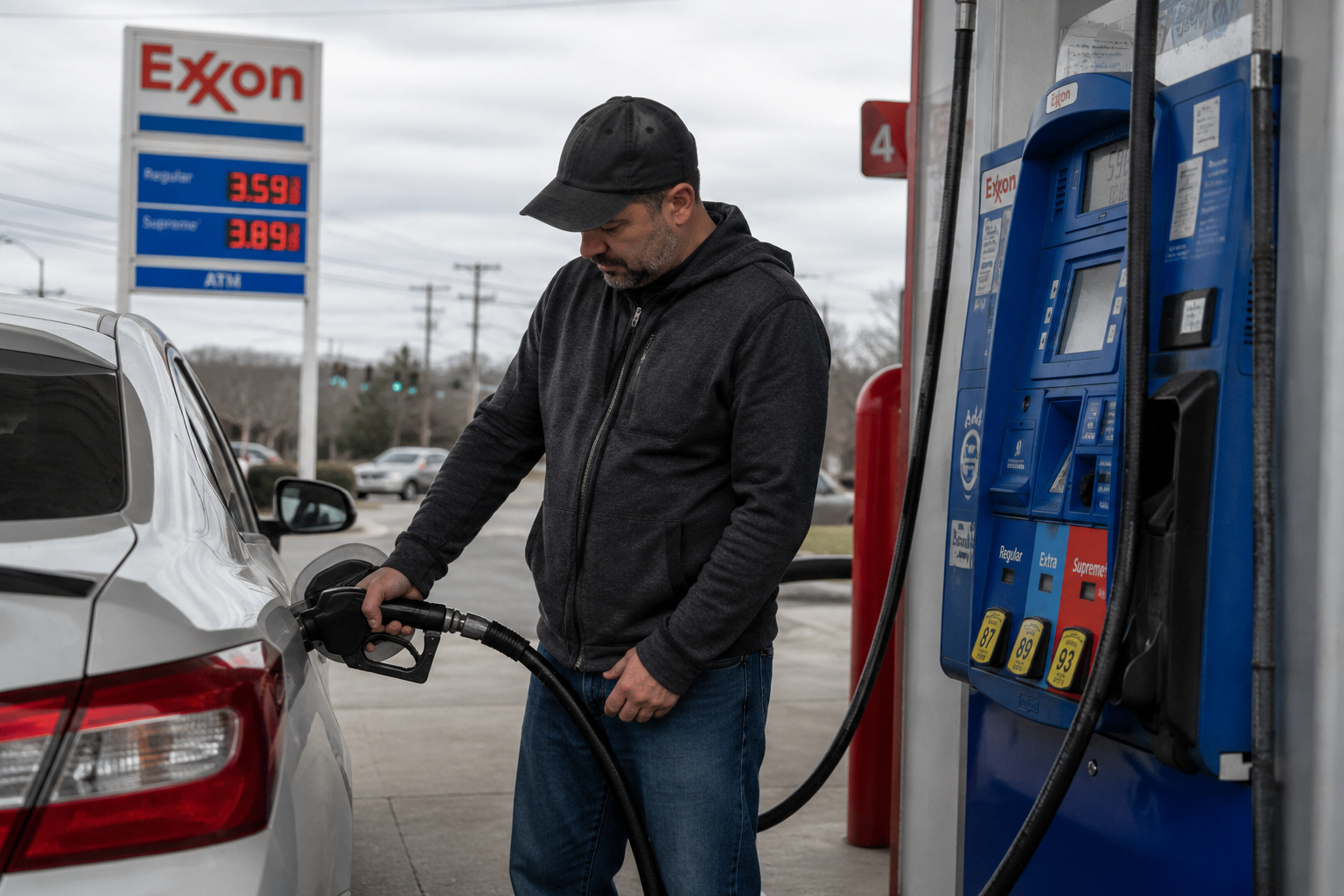
The energy index rose 3.8% in April and accounted for more than 40% of the monthly increase in the overall inflation reading, according to the Labor Department.
Gasoline prices have climbed more than $1.50 per gallon since the conflict involving Iran intensified, according to AAA.
The closure of the Strait of Hormuz — a critical route for global oil shipments — has sharply increased crude oil prices and raised transportation costs worldwide.
Economists warned that elevated fuel prices could increasingly spill over into other categories of inflation.
“The ongoing conflict in the Middle East has kept energy prices elevated, which will start to generate more obvious spillovers into other areas of inflation,” economists at Wells Fargo Securities, led by Chief Economist Tom Porcelli, wrote before the inflation report was released.
Food and shelter costs continue rising
Food and housing costs also remained elevated in April.
The shelter index rose 0.6% during the month, while the food index increased 0.5%.
Grocery prices climbed 0.7%, reflecting higher transportation and input costs tied to rising diesel and fuel prices. Prices for dining out rose 0.2%.
Analysts said rising transportation costs for food and consumer products could place additional strain on household budgets in the months ahead.
The energy index surged 17.9% on an annual basis in April, while food prices rose 3.2% over the past year.
Core inflation strengthens
Core inflation, which excludes food and energy prices, also remained firm.
The core index rose 0.4% in April and increased 2.8% from a year earlier, above expectations for a 2.7% gain and higher than the 2.6% rise recorded in March.
The increase marked the highest annual core inflation reading since September.
Prices rose across several consumer categories, including airline fares, apparel, household furnishings, personal care, and education.
However, prices for new vehicles, communication services, and medical care declined during the month.
Fed rate-cut hopes under pressure
The stronger-than-expected inflation data is likely to reinforce concerns within the Federal Reserve that price pressures remain persistent despite signs of slower economic growth.
Markets had been anticipating interest-rate cuts later this year, but rising inflation linked to energy prices may force policymakers to keep borrowing costs elevated for longer.
Economists also warned that higher gasoline and utility bills could reduce discretionary spending, potentially weakening consumer demand across other sectors of the economy.
The latest report highlighted the growing impact of geopolitical tensions on the US inflation outlook as energy markets remain volatile amid uncertainty surrounding the Middle East conflict.
The post US inflation rises to 3.8%, highest since May 2023, as energy prices surge appeared first on Invezz