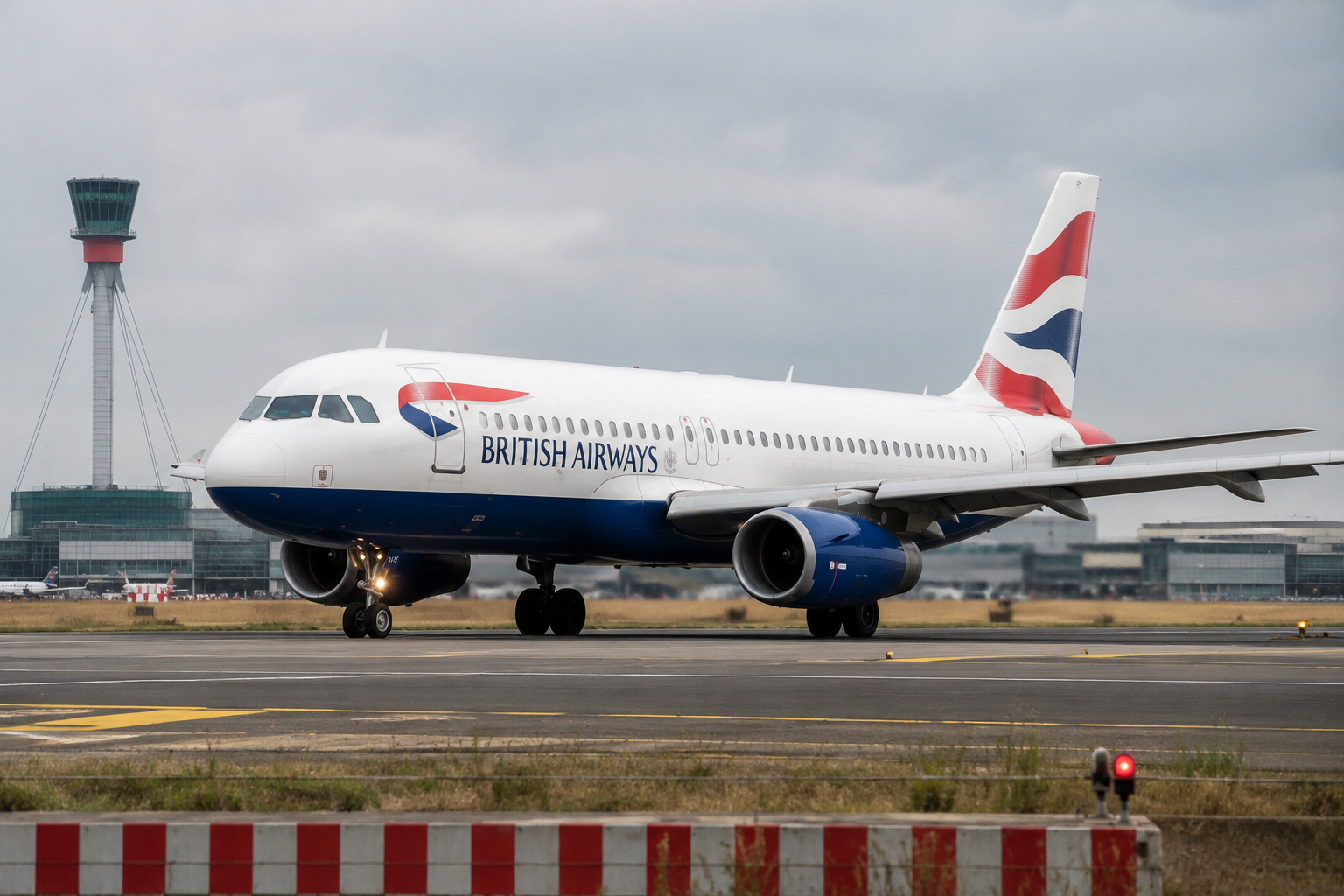
Global airlines have cut around 13,000 flights scheduled for May, as surging jet fuel prices driven by the Middle East conflict force carriers to trim capacity and reassess operations.
The cancellations account for roughly 1% of global flights, a notable disruption across the aviation sector.
Data shows that nearly two million seats have been removed from flight schedules for the month, with the reductions coming just ahead of the UK’s half-term holiday period.
Aviation analytics firm Cirium identified Istanbul and Munich among the airports experiencing the largest declines in flight activity.
Rising fuel costs pressure airline operations
The primary driver behind the cuts has been a sharp increase in jet fuel prices.
Since the beginning of the conflict, the cost of jet fuel has more than doubled.
Prices climbed from $831 per tonne in late February to a peak of $1,838 in early April.
While airlines have stated they are not currently facing fuel supply shortages, the rapid rise in costs has already impacted profitability and operational planning.
Industry experts have warned that continued disruption, particularly linked to the Iran conflict, could lead to fuel delivery issues within weeks.
The closure of the Strait of Hormuz, a critical route for oil and liquefied natural gas shipments, has added to concerns.
The UK, which imports approximately 65% of its jet fuel—much of it from the Middle East—faces heightened exposure to potential supply constraints.
Limited disruption but cautious outlook
Despite the cancellations, industry bodies have emphasized that the overall impact remains contained.
The trade body for British airlines said carriers are operating as normal and are not currently experiencing supply issues.
It also welcomed government contingency measures that will allow airlines to cancel flights without losing valuable take-off and landing slots.
The Advantage Travel Partnership Chief Executive, Julia Lo Bue-Said, noted that “airlines will be assessing poor performance flights and consolidating or cancelling as required”.
She added that the cancellations are “marginal”, and “UK departures, including key summer sun destinations, remain unaffected, so customers can continue to book with confidence”.
However, airlines have already begun adjusting pricing strategies.
Many carriers have increased ticket prices to offset higher fuel costs, though some exceptions exist.
Wizz Air’s chief executive noted that certain European routes are seeing declining fares as airlines attempt to stimulate demand among cautious travelers.
Schedule adjustments across major carriers
Several major airlines have moved to reduce capacity for the upcoming summer season.
Air France, KLM, Air Canada, Delta, and SAS have all trimmed their schedules, reflecting broader industry caution.
The airports with the highest number of cancellations include Istanbul, Chicago O’Hare, Dallas Fort Worth, Denver, Atlanta, Frankfurt, George Bush Intercontinental (Houston), Charles de Gaulle, Amsterdam Schiphol, and Charlotte Douglas.
Meanwhile, Lufthansa has announced plans to remove 20,000 flights between now and the end of October, underscoring the scale of adjustments being made across the sector.
Policymakers are also preparing for potential disruptions.
UK Transport Secretary Heidi Alexander stated she was confident most travelers would have a similar experience to last summer, noting there is currently no supply disruption but acknowledging “this clearly is an evolving situation”.
The post Airlines trim 13,000 May flights as jet fuel costs spike globally appeared first on Invezz